
Running Moms Don’t Need More Motivation, They Need a Better Training Strategy

5 Misconceptions About Using a Run Coach as a Mom
Do you feel stuck at the intersection of big goals and limited time with a speed bump of guilt thrown in for good measure? Find yourself eagerly supporting and instrumenting everyone else’s endeavors: driving kids to practice, buying gear for the next sport season, or pivoting when a partner's work schedule changes but try to fly solo when it comes to your running goals. Most moms would agree they’d be more likely to reach their running goal if they had a plan to follow that was built for them, based on their current fitness/ experience level and scheduling needs as well as support to adjust their training when a niggle pops up or kids get sick. Yet, they talk themselves out of working with a run coach for any number of reasons. As a run coach and physical therapist, I work primarily with busy moms to help them achieve their running goals, and I see so many of the beliefs that keep moms from working with a coach be the biggest reaso...
Dealing with a Running Injury? Pushing Through and Stopping Aren’t Your Only Options

You’ve been putting in the work, setting the early alarm or hustling to get your work out done before picking the kids up, and have been loving the quiet time running is helping you carve out for yourself. The event you’re signed up for is getting closer and you’ve been following your plan but just as you’re starting to feel good about the progress you’re making in training, your knee starts to act up.
Unfortunately for many runners, this scenario will sound way too familiar. Injuries are a common part of running and maybe even more common for running moms. Challenged sleep habits, less time for strength training, body changes during pregnancy, and ramping up training among a load of other stresses, both physical and mental, that come with being a mom are all factors that increase risk for injury.
At first it’s not too bad, just a little stiffness when you first get started or at the end of your run, but it keeps getting a little worse and is starting to distract you from locking i...
No Highlights Without the Lowlights – Parallels of Running and Mom Life

Musings from a ski hill…
The deeper I get into running and working with other running moms, the more certain I become that motherhood and running are meant to go together. I constantly see ties between momming and running and how the lessons we learn as a mother and runner so often mirror and reinforce each other. Taking note of and appreciating these lessons molds us into a stronger and more resilient version of ourselves as not just a runner but a mom too.
A couple of weeks ago we took the girls (6 and 4) skiing (in Iowa) for the first time. Yes, we have skiing in Iowa though the lift ride is usually longer than the run down. We’re flatlanders that love the mountains and see eventual ski trips in our future and thought it best to give it a whirl close to home this year. From an instagram point of view it would look like a day full of highlights – cute pictures of kids on skis and cozy moments in the lodge drinking coffee and cocoa. If you’ve done things like this with kids you pr...
Consistency: More than Checking Boxes on a Training Plan

The word consistency is used a lot in the world of running: We use it when we set goals or start planning – I’d like to be more consistent with my running. I’ve done a little strength work but I still need to be more consistent. I get excited to sign up for something but then just have a hard time being consistent enough with training, things get in the way. We’ve heard it as advice – You can improve your marathon time, you just need to run consistently.
If consistency sounds so simple, why can it be so difficult? Let’s start by getting a little more clear on what consistency for runners actually means because as a coach and physical therapist, I think the concept of consistency is a little more nuanced than we might think. It’s not just checking the boxes on a training plan every week, it’s being reliable and repeatedly taking the action that will get you closer to your goal.
As runners, and busy moms, we need to be smart with how we are being consistent. There will be times when ...
Process to Make Running a Lifestyle
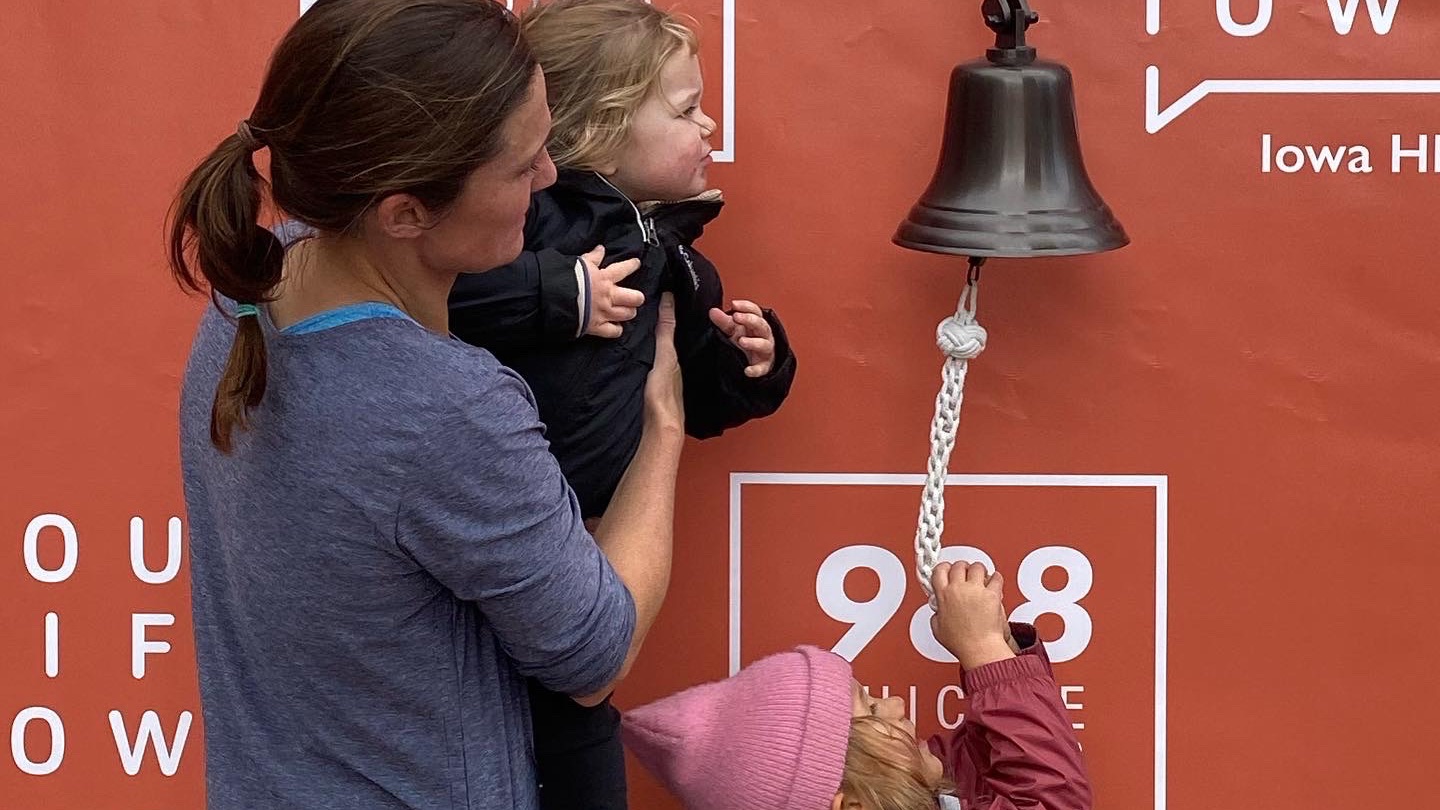
Do you picture yourself crossing finish lines with your kids someday or maybe even grandkids? If you want running to become a long term part of your life, it’s imperative you don’t just bounce from training plan to training plan depending on what race you’re signed up for.
You have to get to know you and your body and how YOU respond to different types of training and YOUR own needs to not just survive but thrive in training.
So how do we create this owner’s manual?
Track the Training: You need to track your training so you have the objective data on how much time or how many miles you are putting into your training. Hopefully you are following some sort of plan but if you’re still a ways out from your next race and aren’t, at least tracking what you’re currently doing is a must. Without tracking, if a niggle comes up or you start to feel really run down, it’s hard to look into how your training load might be factoring in. With the data in front of you, you can start to look for tre...
3 Things to Let Go of to Reach Your Running Goals this Year
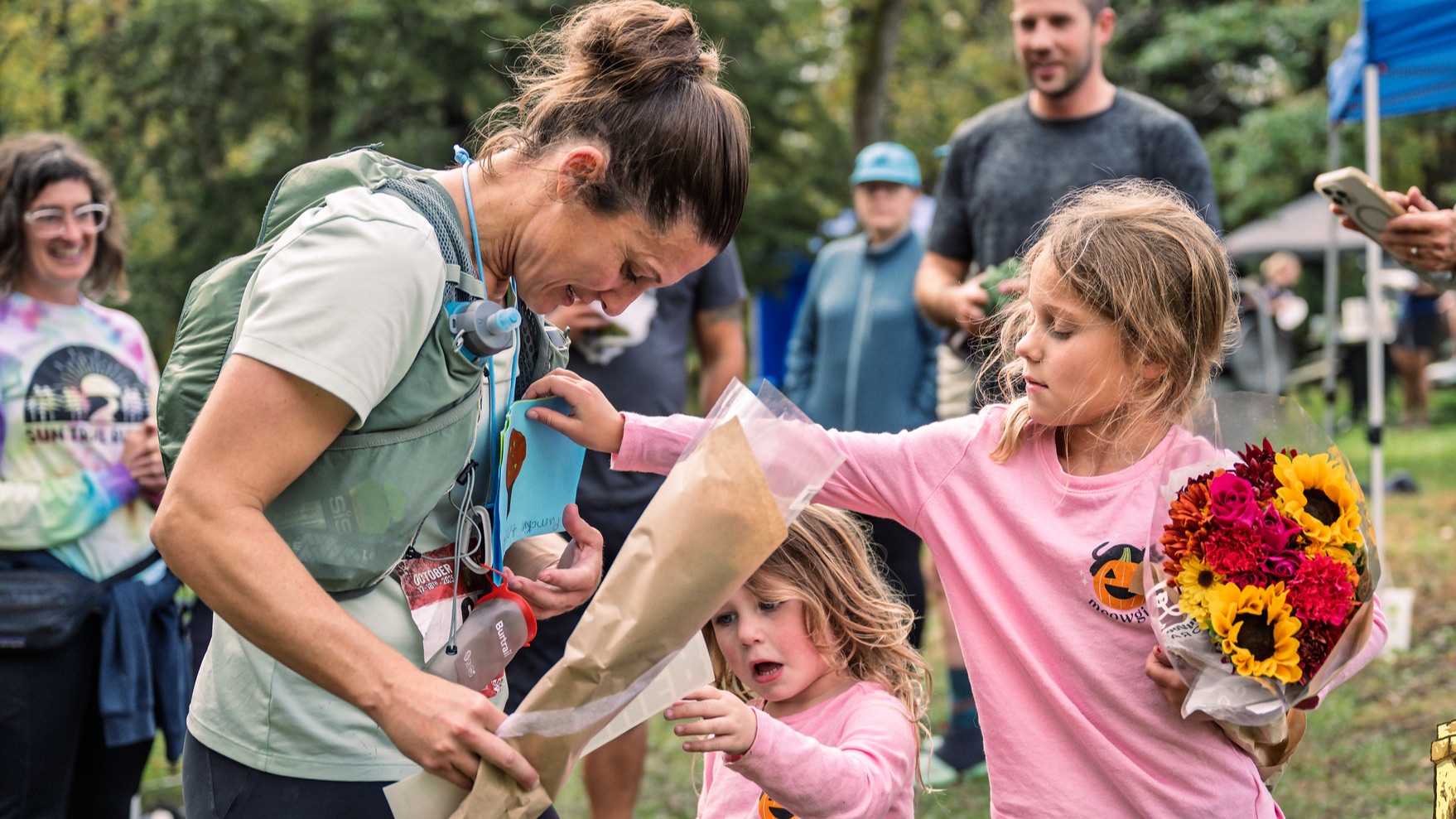
Did you know there is an actual day in January called quitter’s day? The second Friday in January is often tagged as quitter’s day because at this point a majority of people have already given up on that big shiny New Year’s resolution. While a running goal isn’t the same as a vague resolution, as a run coach who works primarily with running moms, I do see similarities. If you’re a mom with a running goal this year, I’m sharing 3 things you need to let go of to not only improve your chances of reaching that goal but actually enjoy the process to get there.
Comparing to others: The compare game is the quickest way to take the joy out of your running.
This doesn’t just include other moms on your instagram feed either. If you’re pursuing a goal this year after adding to your family, coming back from an injury, or even just picking things up again after recovering from your last race it can be difficult to fight the urge to compare yourself to a previous and maybe “fitter” version o...
Mobility Series (Ankle)
To run strong and pain free, we have to be able to move well. Though our goal is to run straight forward, running challenges us to be able to control our bodies not just from front to back but side to side and through twisting motions as well. We need all these motions to work together or we start to see break down in other areas leading to discomfort while running or injury.
Shin splints, achilles issues, and plantar fasciitis are among the most common and stubborn injuries runners deal with. While multiple factors like training changes, footwear, and training surface often play a role in these types of injuries, a big one we can’t ignore is mobility and strength at the foot and ankle.
In this video, I’ll guide you through a quick ankle mobility assessment.
Click the video above to check it out.
Keep getting out there and Run Yourself Resilient!
Katlyn
If you have questions about how to apply any of these concepts to your own running, shoot me an email at coachkatlyn@run-re...
Mobility Series: It's All In the Hips
To run strong and pain free, we have to be able to move well. Though our goal is to run straight forward, running challenges us to be able to control our bodies not just from front to back but side to side and through twisting motions as well. We need all these motions to work together or we start to see break down in other areas leading to discomfort while running or injury.
Today we’re talking hips. Our hips don’t just drive us forward but also act as the steering wheel for the path of our leg while we run. To run efficiently and access the full power of our glutes we need a steering wheel that turns well.
If your hips or low back have felt a little tight or you know you spend a lot of your day stuck at a desk
Click the video above for a follow along hip mobility assessment and routine. Guest appearance by a furry co worker at the end.
Keep getting out there and Run Yourself Resilient!
Katlyn
If you have questions about how to apply any of these concepts to your own running,...
The Mobility Series: Unlock Your Mid Back
To run strong and pain free, we have to be able to move well. Though our goal is to run straight forward, running challenges us to be able to control our bodies not just from front to back but side to side and through twisting motions as well. We need all these motions to work together or we start to see break down in other areas leading to discomfort while running or injury.
This mobility series was started to help you become a more efficient and injury resistant runner. These videos are tools in your hand to pick up on little things before they become big things. I'm aiming to keep these short digestible pieces that you can go through in 5-10 minutes.
Today we are going to zero in on the thoracic spine or mid back. This seemed like a good place to start during a time of year that requires us to often spend more time in the car for holiday travel or bent over wrapping gifts or doing some holiday baking. It also just plain feels good to get this part of your back moving in a season ...
Training during the holidays...Top tips for getting it done and cutting the stress

Cue music—
It’s the most craziest time of the year
With the lists always growing
And everyone telling you now to be here
It’s the most craziest time of the year
Training during December as a mom who is also chief holiday magic maker is not for the faint of the heart. School parties and programs, family gatherings, shopping, wrapping, moving the elf, and doing all the regular things to keep weeknight meals on the table and getting people out the door on time means stress is rising right alongside the joy and excitement.
Time and energy are at an all time premium, making it more difficult to keep training consistently even though that alone time out on the run might be just what you need amongst the craziness.
Here are my top tips for stressing less while staying on top of your training during the holiday hustle.
Be realistic: Ever missed a workout or cut a run short then spent the rest of the day stressed out and feeling guilty over it? Maybe it even makes you a little sn...