Process to Make Running a Lifestyle
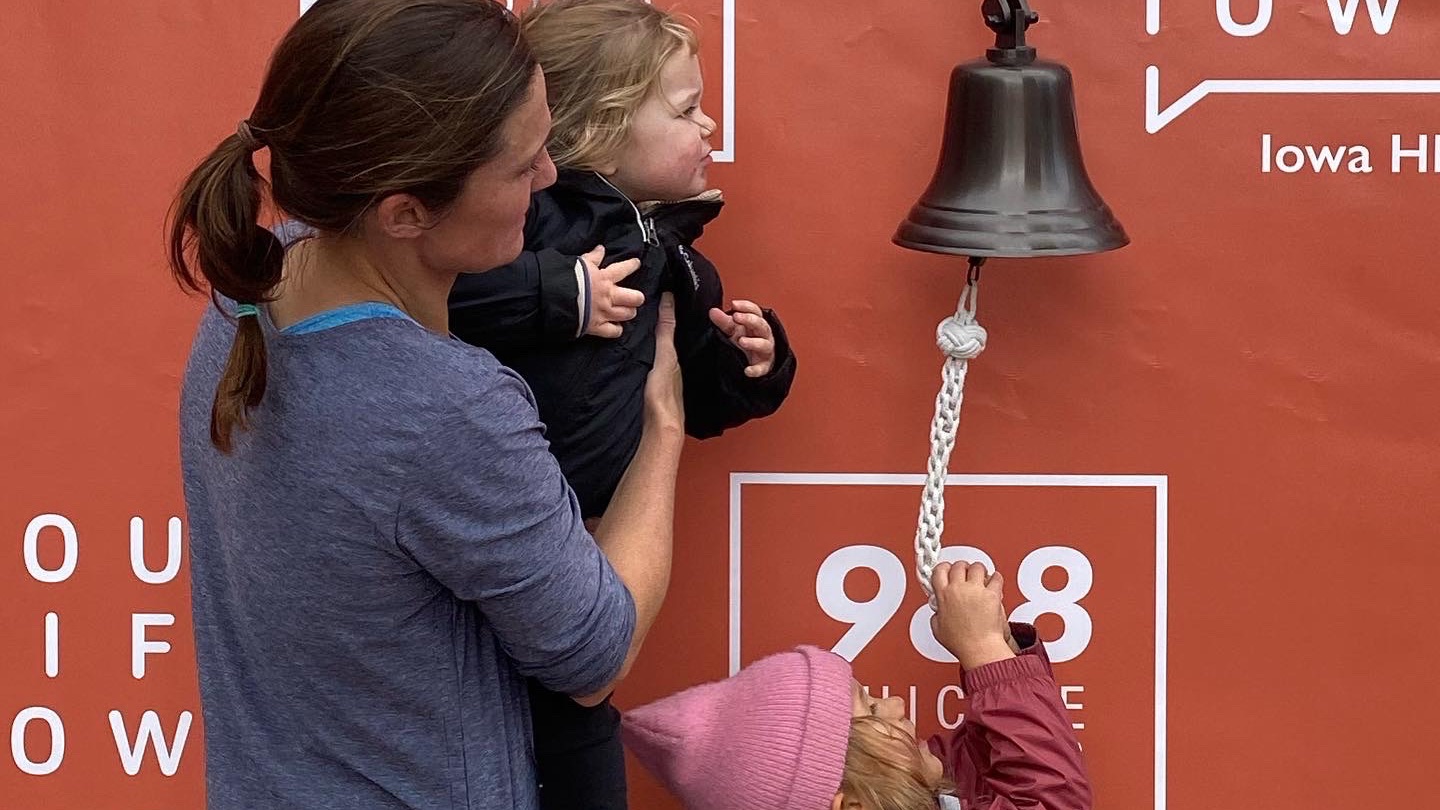
Do you picture yourself crossing finish lines with your kids someday or maybe even grandkids? If you want running to become a long term part of your life, it’s imperative you don’t just bounce from training plan to training plan depending on what race you’re signed up for.
You have to get to know you and your body and how YOU respond to different types of training and YOUR own needs to not just survive but thrive in training.
So how do we create this owner’s manual?
Track the Training: You need to track your training so you have the objective data on how much time or how many miles you are putting into your training. Hopefully you are following some sort of plan but if you’re still a ways out from your next race and aren’t, at least tracking what you’re currently doing is a must. Without tracking, if a niggle comes up or you start to feel really run down, it’s hard to look into how your training load might be factoring in. With the data in front of you, you can start to look for trends in how your body is responding to certain types of runs or volumes of running and see where you are progressing or need to spend more time.
If you use a GPS watch, connecting this to your phone will make it easy as your runs will usually sync to a calendar. This will give you a nice picture of your weekly running volume and
Regular Run Reflection: I recommend spending a few minutes each week or after a long run or workout to make a few more subjective notes about how you felt during training as well and things that may have contributed to why you felt this way. For example: 10 mile long run, felt harder than normal, had a later bedtime and up with a toddler in the night. Forgot chews on the counter and struggled the last 3 miles. This gives you a lot more information to look back on and helps you make simple improvements for the next run. Spend a bit longer at the end of a training cycle or after a race and make some notes on what went well during the training block and in the event itself. Note things like gear you liked or nutrition products that worked or didn’t work.
Weekly (at least) self body scan/check in. Regular strength and mobility work make wonderful canaries in the coal mine to stay on top of little potential niggles before they become training derailers. As a physical therapist and coach, individualized strength and prehab activities are part of the program for everyone. The importance of continually checking in with your body compounds as the distances get longer. Here are some sample questions to get you started.
Are you feeling any aches and pains or lingering areas of soreness that are hanging out after runs or taking awhile to warm up? Am I changing how I run in any way due to discomfort?
Get down on the floor and do some mobility exercises. How do things feel from side to side (take a peek at the mobility series in a previous collective post)
How’s the strength work going? Does anything feel tight or restricted or different from one side to the other?
Periodic Zoom Outs: Sometimes as runners, we get sucked into the details of weekly mileage and interval paces that we lose sight of how this is all fitting into the rest of our life. For many of us running is a tool to destress and better ourselves both physically and mentally. It’s important to check in periodically and make sure running is still serving us and not the other way around. Sure, days where sleeping in or just sipping coffee on the couch sounds a lot better than a run are normal but constantly feeling like a drag or dreading your run might be a sign to take a look at your training and how running is currently fitting in with the rest of your life. This does not mean giving up on your goals as a runner but looking at the big picture and figuring out how to shift or adjust to train in a way that fits this season of life.
With each running and racing experience you truly are writing a chapter in a book, creating your own personal guidebook. I truly hope these steps helped you start that guide so you can continue to grow as a runner. Running has both filled and provided space for me in a way I can’t imagine not having it in my life, especially as a mom. I hope the tools in this collective can help you continue to or find a way to run that leaves you feeling more resilient, more present, and more yourself.
If you are struggling to make running work with your life as a mom, whether it’s pain as you increase your training load or figuring out how to fit all the pieces together in a busy schedule, I’m here to help. Inside Run-Resilient, I help moms find a way to train that meets them where they’re at physically and logistically. Going after big running goals does not have to mean running on empty with everything else. Click the link below to book a quick strategy call with me. Even if you’re not ready to sign up for the program, I’ll help you find an action step to get your training headed in the right direction.
Keep Running Yourself Resilient!
Katlyn